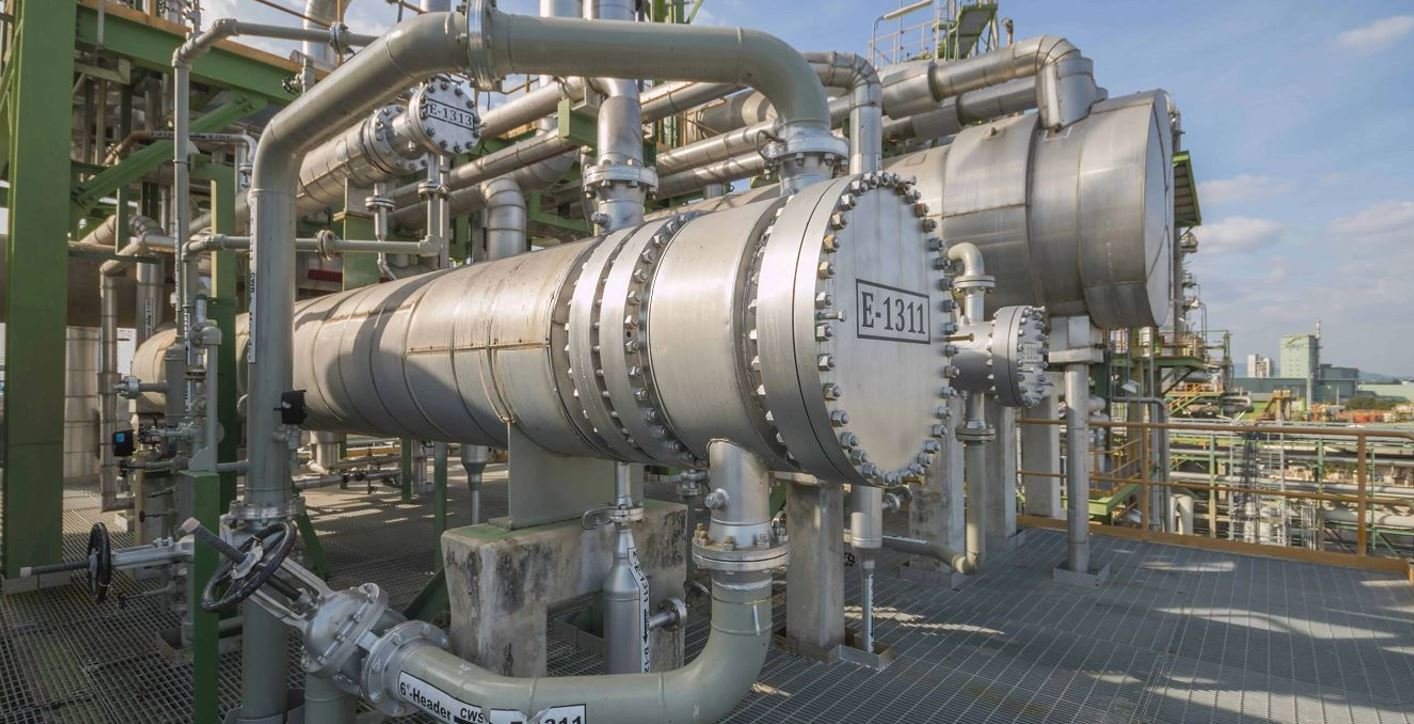
Course Overview:
Heat exchangers are among the most essential pieces of equipment in process industries, enabling efficient energy recovery, heating, and cooling across numerous operations. This course provides a comprehensive understanding of heat exchanger principles, classifications, components, and operational practices. It bridges theoretical heat transfer concepts with practical industrial applications to help participants operate, monitor, and maintain these systems effectively.
Throughout the course, participants will explore different exchanger designs, understand heat transfer mechanisms, identify performance issues such as fouling and corrosion, and apply preventive maintenance strategies. Emphasis is placed on practical operation, troubleshooting, and safety practices used in real industrial environments.
Course Modules:
1. Fundamentals of Heat Transfer & Industrial Applications
2. Classification & Types of Heat Exchangers
3. Construction, Components & Flow Arrangements
4. Heat Transfer Principles & Simplified Calculations
5. Operation, Monitoring & Performance Evaluation
6. Fouling, Corrosion & Cleaning Methods
7. Materials of Construction, Inspection & Safety
8. Case Studies & Troubleshooting in Process Plants
Target audiences
1. Chemical engineers involved in process design and optimization
2. Mechanical engineers responsible for static equipment design and reliability
3. Operation and maintenance engineers in fertilizer, refinery, and petrochemical plants
4. Utilities and energy management engineers
5. Inspection, QA/QC, and reliability engineers
6. Project and design engineers engaged in thermal system design
7. Fresh graduate engineers aiming to develop strong applied knowledge in heat exchanger systems
Course Features
- Lecture 0
- Quiz 0
- Duration 40 hours
- Skill level All levels
- Language English
- Students 0
- Assessments Yes